
In the fast-moving world of retail, technological innovation is a key factor in staying competitive and meeting the shifting demands of consumers. Smart apps have emerged as a game-changing tool in this landscape, transforming the shopping experience and optimising retailers’ operations.
Improving the Customer Experience
Smart mobile apps deliver a personalised, efficient shopping experience. By integrating artificial intelligence and data analysis, these apps can offer tailored recommendations, purchase reminders, and special offers based on each consumer’s history and preferences. This not only increases customer satisfaction but also fosters brand loyalty.
Optimising Retail Operations
From an operational standpoint, smart apps enable more efficient inventory management and better resource planning. With capabilities like real-time tracking and consumption-trend forecasting, retailers can quickly adjust their stock and marketing strategies to maximise sales and minimise waste.
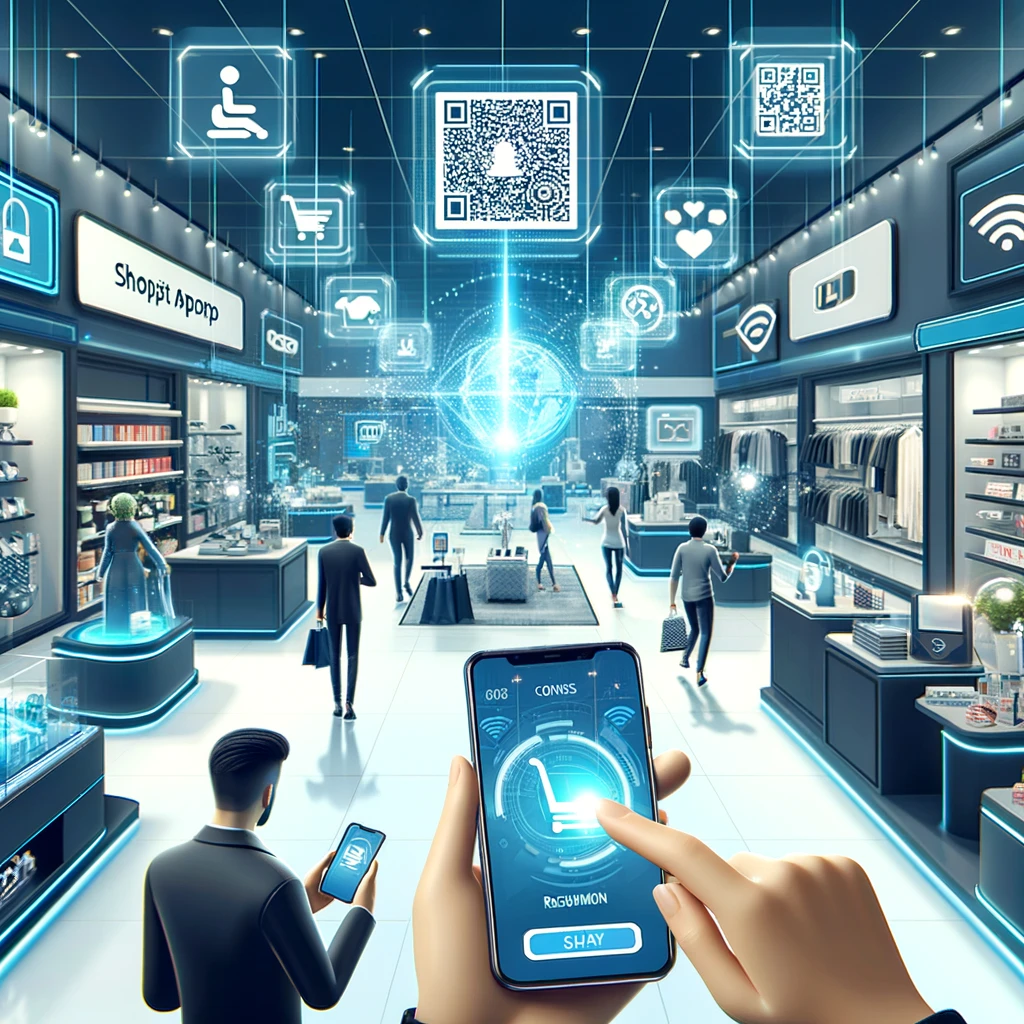
Integration with Other Systems
The true power of smart apps lies in their ability to integrate with other systems, such as point-of-sale, supply chain management, and e-commerce platforms. This integration provides a holistic view of the business, helping retailers make informed, agile decisions.
Challenges and Considerations
Despite their advantages, implementing smart apps comes with challenges, such as the need to safeguard customer data privacy and ensure interoperability with existing systems. It also requires ongoing investment in technology and staff training to keep pace with innovation.
Conclusion
Smart apps are redefining retail, offering enriched shopping experiences for consumers and operational efficiencies for retailers. As we move toward a more connected and automated future, these tools will be indispensable for success in the competitive retail market.